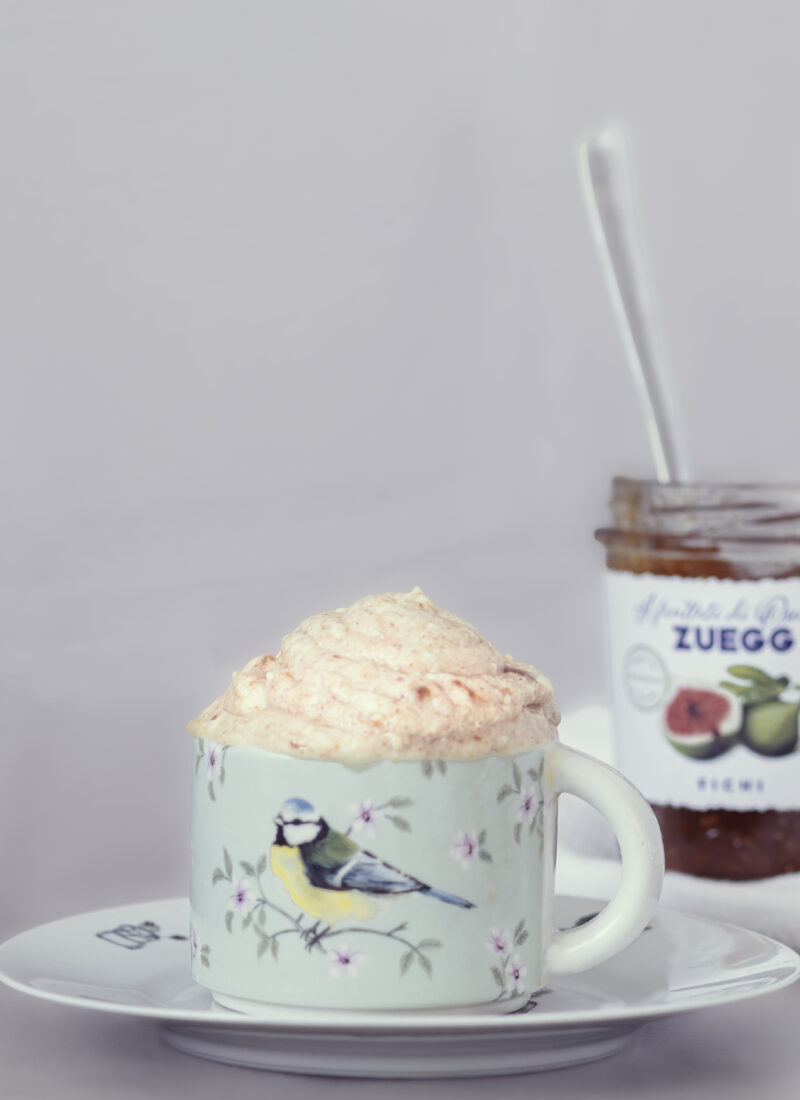
If next time you’re wondering how to use up a large stash of cottage cheese to boost your protein intake while enjoying a satisfying dessert, make this Cottage Cheese Mousse with crushed whole-grain biscuits or cookies.
There’s a pleasant, roasted, earthy flavor thanks to a small amount of Graham Crackers (United States) or Digestive Biscuits (Europe, Australia, and New Zealand) incorporated into the recipe. You don’t need much, so they won’t significantly reduce the protein content. For more cookie equivalents, you can read this useful article: Digestive Biscuit Substitutes – The 7 Best.
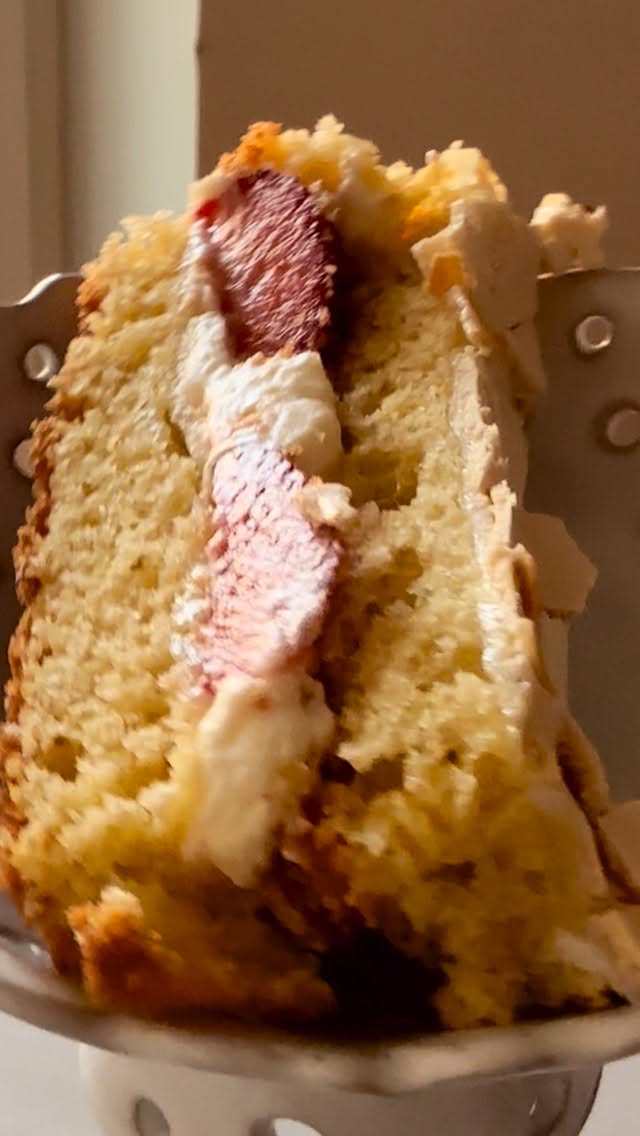
I created this dessert while running my first small home bakery, when I had cake orders almost constantly. In Northern European countries—especially Germany—it’s common for birthday cakes and other celebratory cakes to have cream fillings made from vanilla-flavored whipped cream mixed with curd/quark or cottage cheese and/or cream cheese (in my recipe, I used mascarpone), layered with a sponge cake often made from just eggs, sugar, and flour.

I often had some pastry cream left, which I would sometimes use creatively. Additionally, the fact that curd is not common in most countries and Ricotta is not able to carry this nice fermented slightly sour flavor that is needed here, played a role in creating this recipe. Ricotta cheese’s taste is rather mild and creamy, while the curd is more tangy and sour.
If you’d like to see how I make the specific sponge I just mentioned, check out this video:
By the way, I also used leftover sponges creatively—but that’s a story for another time. There are countless ways to turn sponge pieces or crumbs into a quick, comforting dessert.
But back to today’s High-Protein Cottage Cheese Mousse recipe.
As described above, this Cottage Cheese Mousse is inspired by classic European cake fillings traditionally made with whipped cream and curd, reimagined here as a simple, no-bake, high-protein dessert that fits modern kitchens and lifestyles. Cottage cheese belongs to a large European family of fresh curd cheeses:
- Germany / Austria / Switzerland → Quark
- Eastern Europe (Poland, Baltic countries, Russia) → Tvorog
- Nordic countries (especially Sweden) → Surmjölksost / fresh curd cheeses
- England → Cottage cheese (name formalized in the 19th century)
If you would like to dive even deeper into cottage cheese and other fermented dairy products’ history, read also my Substack post:
PRO TIP 1:
If you don’t want cottage cheese lumps in your mousse, simply strain and push the cottage cheese through a sieve to achieve a ricotta-like texture. Another option is to blend it until smooth. Just be sure to blend only the cottage cheese, not the entire mixture. I didn’t do this step this time because I don’t mind the small grains. However, I’ve done it before, and the result is noticeably creamier and more similar to the cake filling creams I used to make (as described above).
This whole-grain-infused dessert can even be compared to a more indulgent version of overnight oats and works well as a filling, protein-rich breakfast. The only difference is that you don’t have to leave it overnight—which, admittedly, can be a challenge! Still, if you have the patience (or the need) to let it rest, you can skip crushing the biscuits and instead break them into larger pieces or leave them whole, creating a layered dessert rather than mixing everything. After a few hours or overnight in the fridge, the texture becomes just as soft and smooth, with the added benefit of clearly defined layers.
PRO TIP 2:
How it differs from ricotta (important distinction). Ricotta is not a curd cheese. It’s made from whey, reheated after cheesemaking (“ri-cotta” = re-cooked).
That’s why:
- Ricotta = mild, sweet, creamy
- Cottage cheese/curd = tangy, fermented, dairy-forward
Therefore, ricotta is lacking acidity and if you want a slightly tangier and more fermented mouthfeel, you should not use Ricotta in this dessert: https://helenalaura.com/cottage-cheese-mousse/. If you prefer a creamy, smooth milky flavor, then do the opposite: use Ricotta!
This dessert is also highly adaptable if you want to make it even healthier. For example, you can mix the crushed or powdered biscuits with buttermilk, kefir, or yogurt. You may add a dollop of your favorite thick jam—or not. Either way, it will be comforting and satisfying.
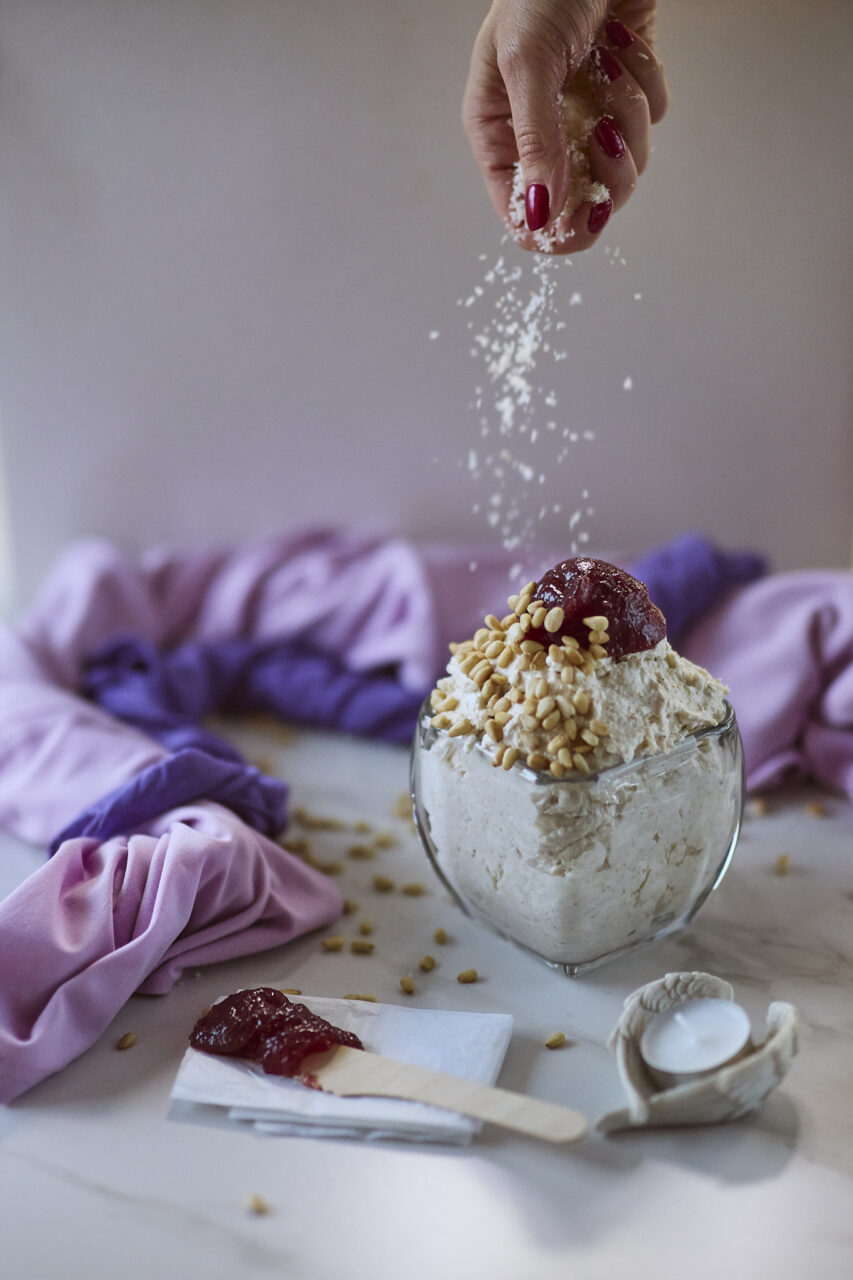
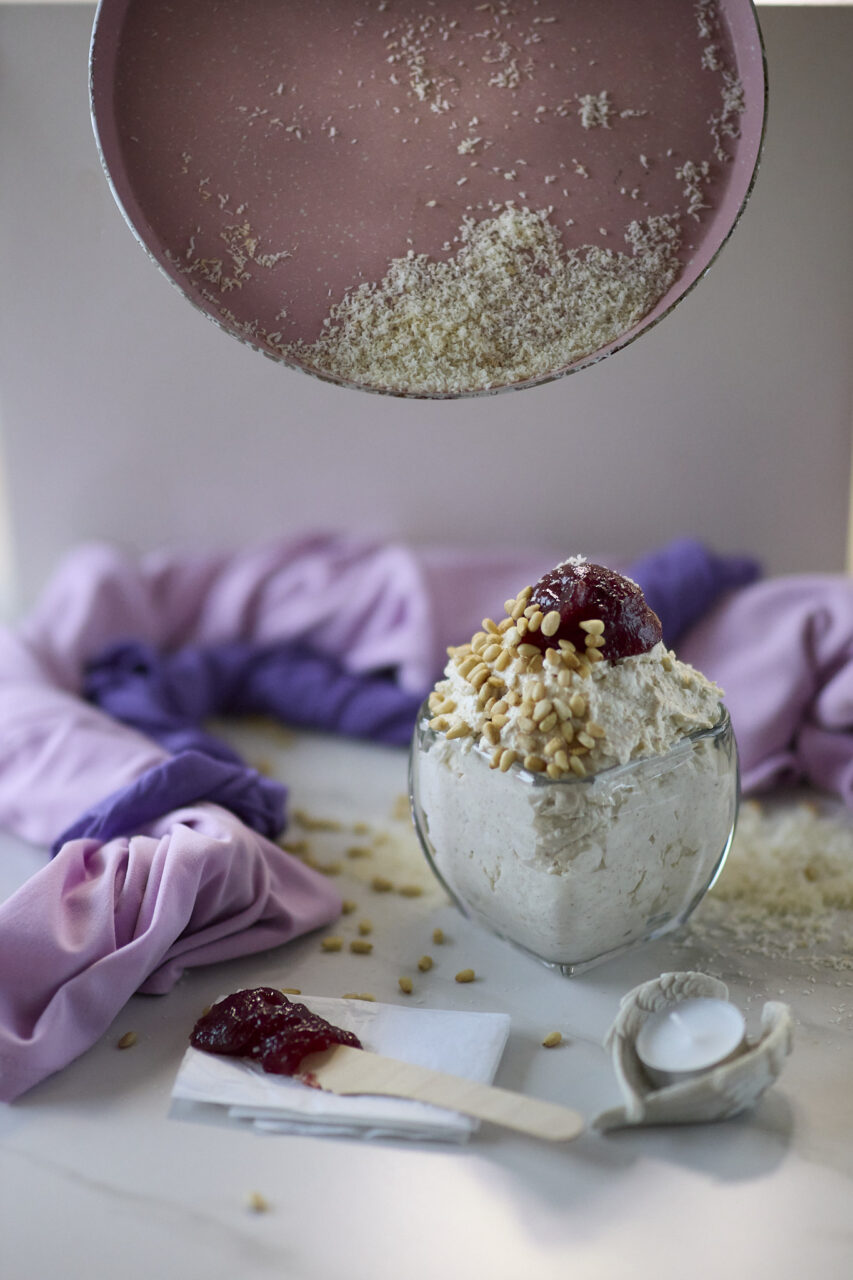
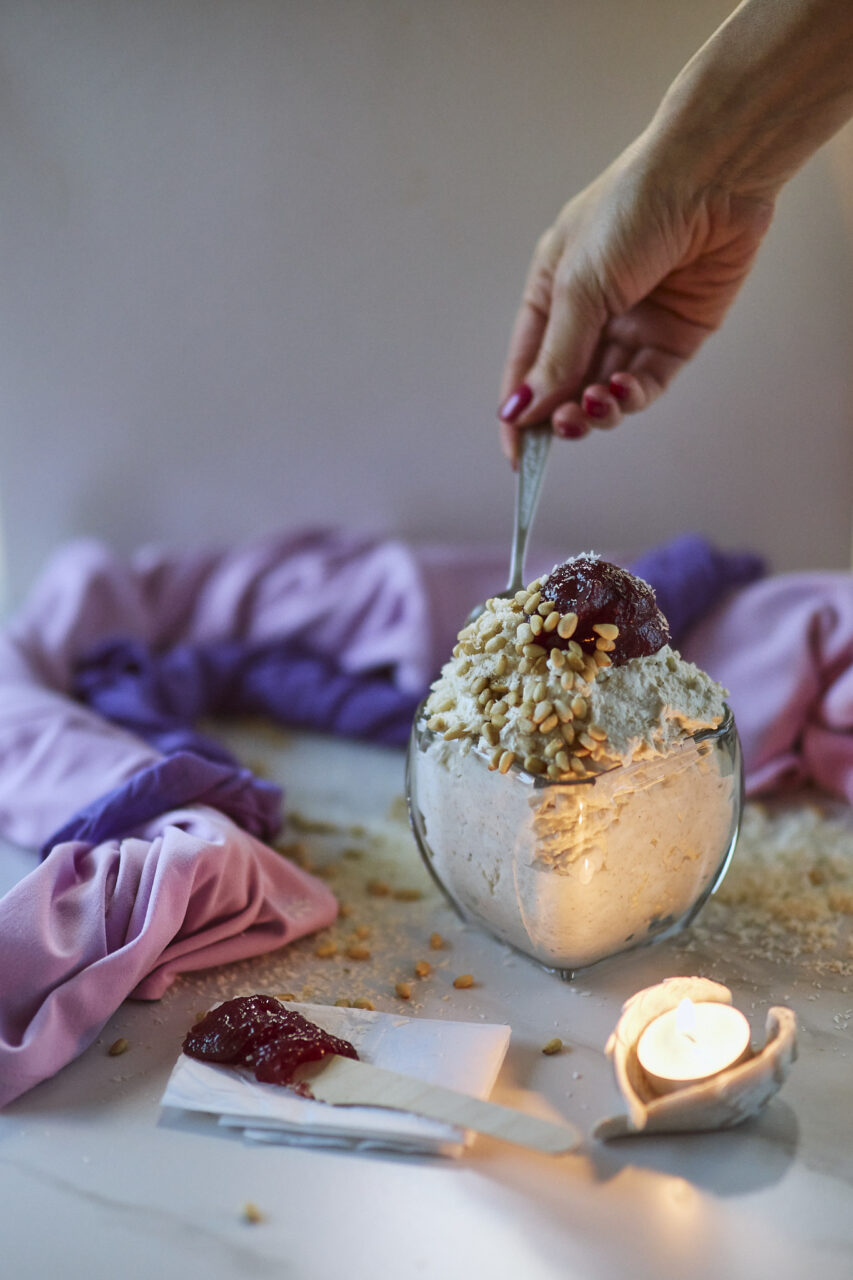
You can also grind roasted sesame seeds together with the biscuits and finish the dessert with desiccated coconut and pine nuts. This is another variation I’ve made before, as shown in the gallery below.
This dish is perfect as:
- a high-protein dessert
- a filling breakfast alternative
- a quick, make-ahead snack

Cottage Cheese Mousse (High-Protein)
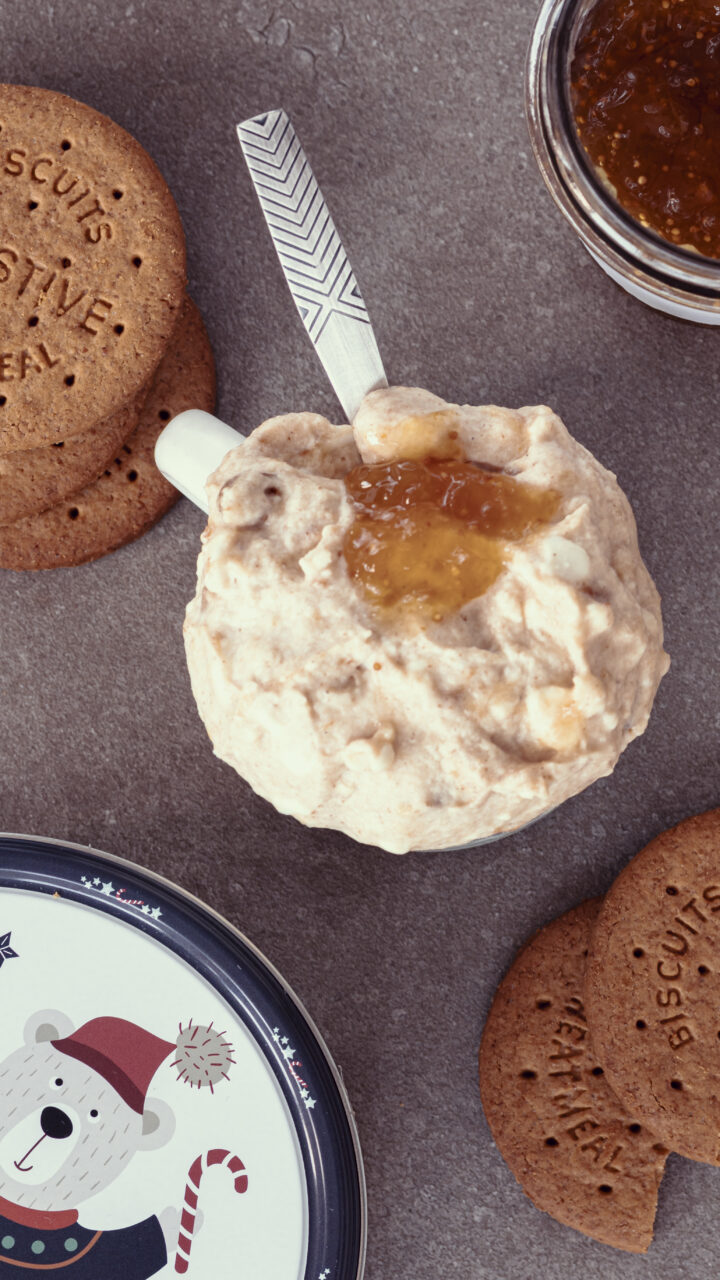
The mousse comes together in minutes and can be served mixed or layered, with crushed whole-grain biscuits, digestive biscuits, or graham crackers, and finished with a spoon of jam if you like. It’s inspired by classic European cake fillings made with curd, whipped cream, and fresh dairy—reimagined here as a modern, no-bake recipe.
4
servings10
minutes0
minutes550
kcal38
grams16
grams217
grams42
grams10
minutesPrevent your screen from going dark
Ingredients
100 g Heavy Cream
380 g Cottage Cheese
200 g Mascarpone Cream Cheese
5 tablespoons Caster Sugar Or Fine Granulated Sugar
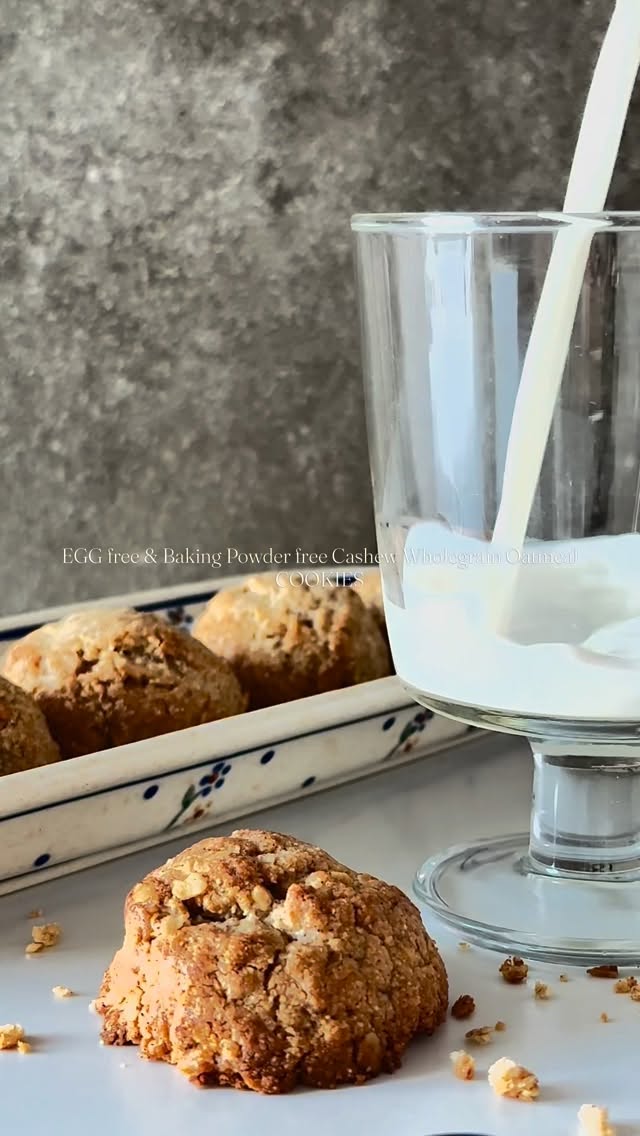
100 g Digestive Biscuits, Graham Crackers, Or Other Similar Whole-grain Cookies
20 g Lightly Roasted Sesame Seeds (optional)
4 tablespoons Fig Jam (or Other Preferred Jam)

Instructions
- Whip the cream with the sugar in a mixer until soft peaks form. Add the cottage cheese and mix briefly until combined. Finally, add the cream cheese and whip with the mixer only as long as needed to achieve a smooth, unified mixture—do not overmix or it can become too runny.
- Crush the biscuits in a food processor or using a NutriBullet or similar device until fine crumbs form. Gradually whisk the biscuit crumbs into the cottage cheese mixture until your desired consistency is reached.
- Spoon or pipe the mousse into small cups or glasses. For a neat spiral finish, use a piping bag, but a generous scoop formed with a spoon works just as well.
- Halfway through filling each serving, add a spoonful of jam if using a thick jam. Then continue piping or spooning the mousse on top so the jam creates a hidden surprise inside the dessert (see how I do this in the video below).
- If you’re using a runny jam, finish piping or spooning the mousse first, then drizzle the jam over the top, letting it flow down naturally. It won’t be a surprise inside—but the final look is beautifully finished.
Recipe Video
Notes
- Texture control:
For a smoother, ricotta-like mousse, press the cottage cheese through a sieve or blend it on its own until smooth before mixing. Leaving it unblended results in a slightly grainy, more rustic texture—both versions work well. - Biscuit options:
Graham crackers or digestive biscuits work best. Or use any plain whole-grain cookies for a deeper, lightly roasted flavor without significantly lowering the protein content. - Jam consistency matters:
Thick jams work best layered inside the mousse for a hidden center. If using a runny jam, drizzle it over the finished mousse for a cleaner presentation. - Make-ahead & storage:
This mousse can be prepared up to 24 hours in advance and stored covered in the refrigerator. The flavor improves slightly as the ingredients settle. - Serving ideas:
Serve as a high-protein dessert, a filling breakfast alternative, or a no-bake snack. For a layered version, leave the biscuit pieces larger and let the dessert rest in the fridge for a few hours or overnight. - Easy variations:
For a lighter version, mix the biscuit crumbs with yogurt, kefir, or buttermilk and light cream cheese, instead of heavy cream and mascarpone. For added flavor and texture, combine the biscuits with finely ground roasted sesame seeds or finish with desiccated coconut and pine nuts.
Let me know if you made the recipe!
Tag @helenalauralesment on Instagram and hashtag it with #healthycomfortfood
Pin this recipe!
Follow @helenalauralesment on Pinterest
Share the recipe on FB!
Follow Helena-Laura on Facebook










)