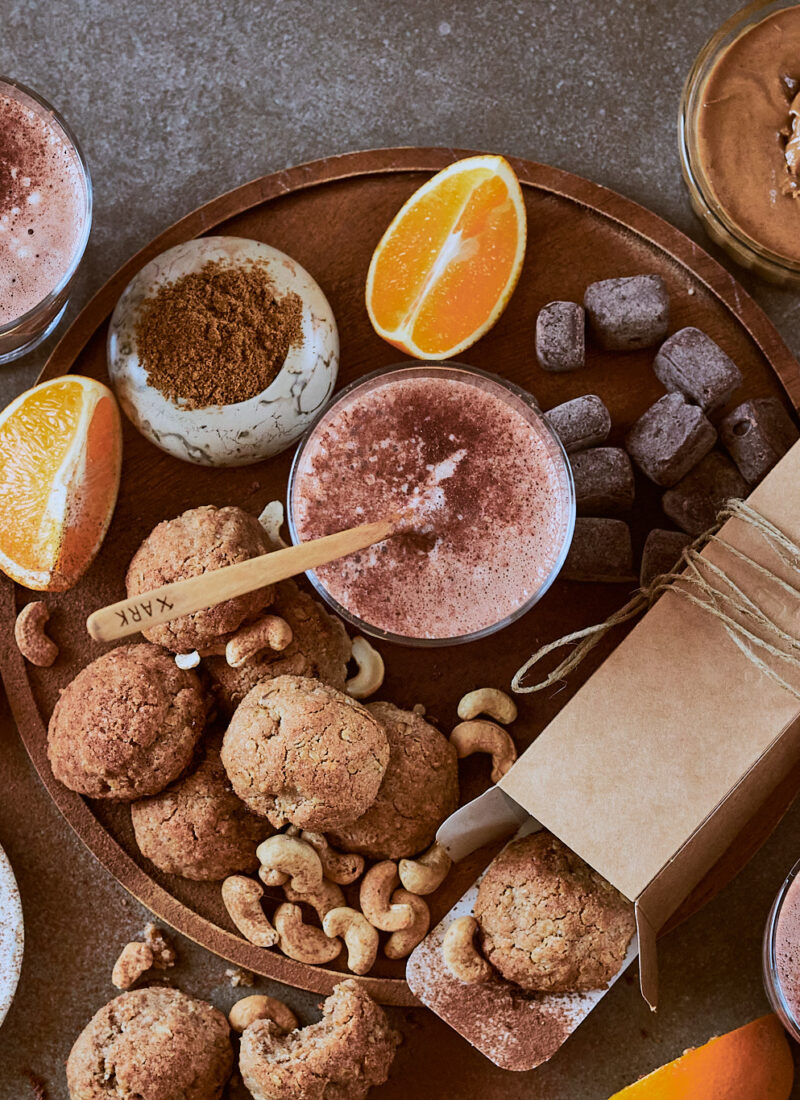
These egg-free oatmeal cookies aren’t egg-free because I think eggs are evil. Quite the opposite. This recipe comes from my grandmother’s old baking book — back when a recipe simply didn’t call for eggs, and that was that. No substitutions, no drama. Just good, rustic baking, and somehow it just works beautifully.
Why This Recipe Matters to Me
When I was in elementary school, there was a girl in my class with a severe egg allergy. Birthdays were complicated. School lunches were limited. And I once saw what happened when she accidentally ate something egg-based — her skin turned red and inflamed within minutes.
Much later, being an adult and starting to reflect on why so many people claim to have a problem with all kinds of food items, remembering that story was the first time I understood that food restrictions aren’t always trends. Sometimes they’re real, physical, unavoidable.
So if you’re baking without eggs for an actual reason, this recipe is genuinely for you. And if you’re not? It’s still for you.
And yes — this one still has butter. Generously. It also has white sugar. Not as generously as butter, but still – regular white sugar. The modest amount is related to my take on rustic cookies – they should not be too sweet, because other flavor depths should be highlighted.
The Texture: Plump, Crumbly, and Surprisingly Structured
These cinnamon oatmeal cookies are thick and plump — not flat — even though they contain:
- No eggs
- No baking powder
- No complicated technique
The magic lies in the oats. Instant oats absorb moisture quickly and create a natural binding structure. They act almost like glue, holding everything together without eggs. When I first tested this recipe using large rolled oats, the cookies turned out more rustic and crumbly — still delicious, just less structured.
So if you want round, full-bodied cookies → use instant oats. If you prefer rustic farmhouse texture → use rolled oats. Both are comforting. Just different personalities.
About the “Healthy” Part
Oats are known for their fiber content and cholesterol support. Cinnamon has been studied for potential blood sugar–modulating effects, and in ancient Ayurvedic science (which happens to be dear to my heart), it is a warming, stimulating, and aromatic spice used to support digestion.
A Note on Organic Wholegrain Flour (From Experience)
I love using organic milled wholegrains for rustic farmhouse-style baking. The flavor is deeper and slightly nuttier. But here’s a practical tip: for delicate, technical pastries — like éclairs or refined French desserts — especially wholegrain flours, but even just organic flours, can behave unpredictably because of variability in protein structure. I learned that the hard way.
These cookies, however, thrive in that rustic territory.
Why You’ll Love These Cookies
- No egg needed
- No scale required
- Easy-to-remember measurements
- Thick, crumbly, filling texture
- Warm cinnamon comfort
- Very satisfyingly buttery
- Beginner-friendly
The ingredients
The exact measurements will be on the printable recipe card below, but here’s a list of what you’ll need:
- Non-salted butter. Keep it at room temperature for 2 hours before starting, or a great tip is to melt it in the microwave on a low setting to make it soft.
- White granulated sugar (no need for extra fine sugar).
- All-purpose flour. Always sift your flour, even for rustic bakes like this. In this recipe, the organic option is great if you have it at home.
- Wholegrain wheat flour (again: organic if you have or can afford, but not a big deal if you don’t!)
- Secret ingredient that makes these cookies extra buttery: cashews. You need to grind them, so a food processor, Nutri Bullet, or any gadget like that is handy here.
- Cinnamon – beloved spice for any homely bakes.
- Fine salt (sea salt is fine). You should control the amount of salt yourself; that’s why I don’t recommend using salted butter in sweet baking, even though I almost always add a small amount of salt to the batter to bring out the flavor. But salted butter can sometimes make things too salty.
How to make these eggless and baking powder-free cookies with cashews and cinnamon
STEP 1: Making the dough.
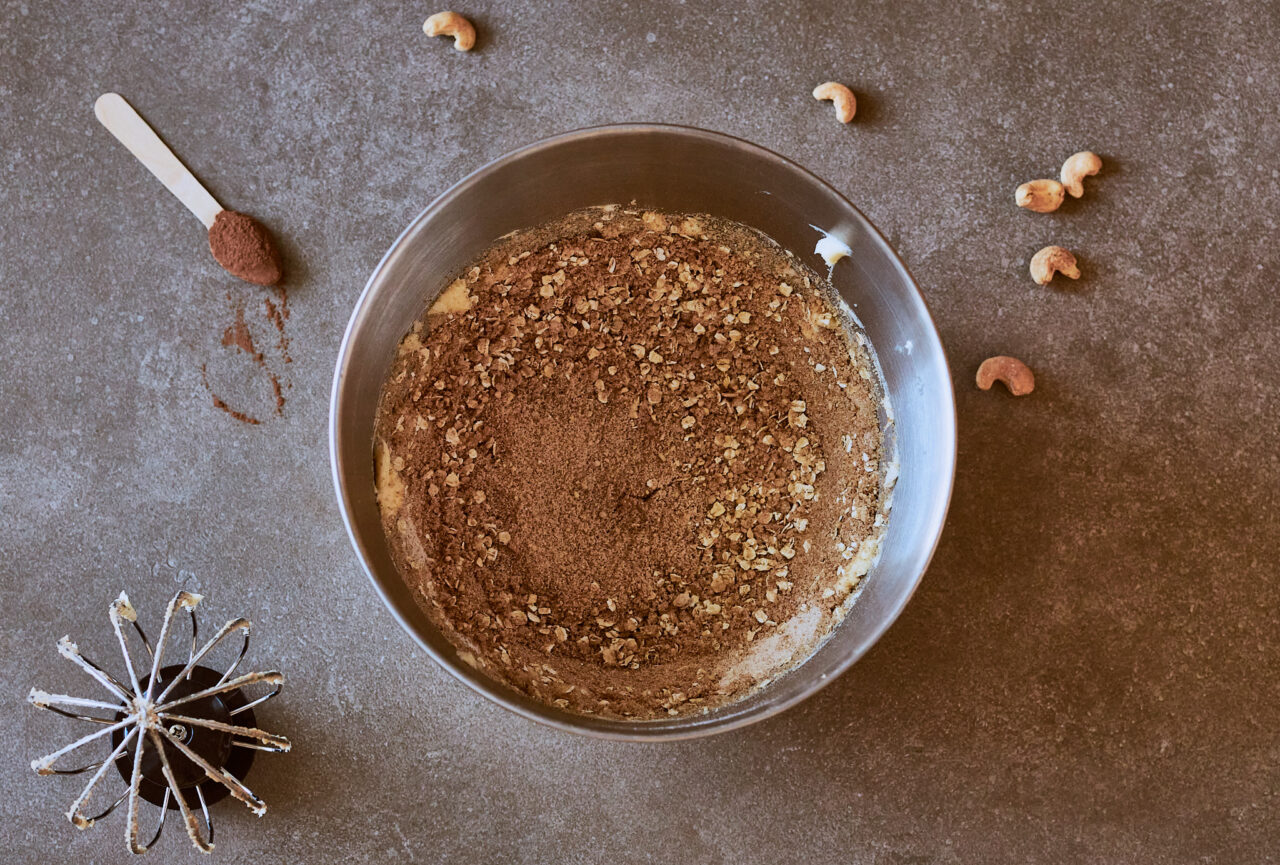
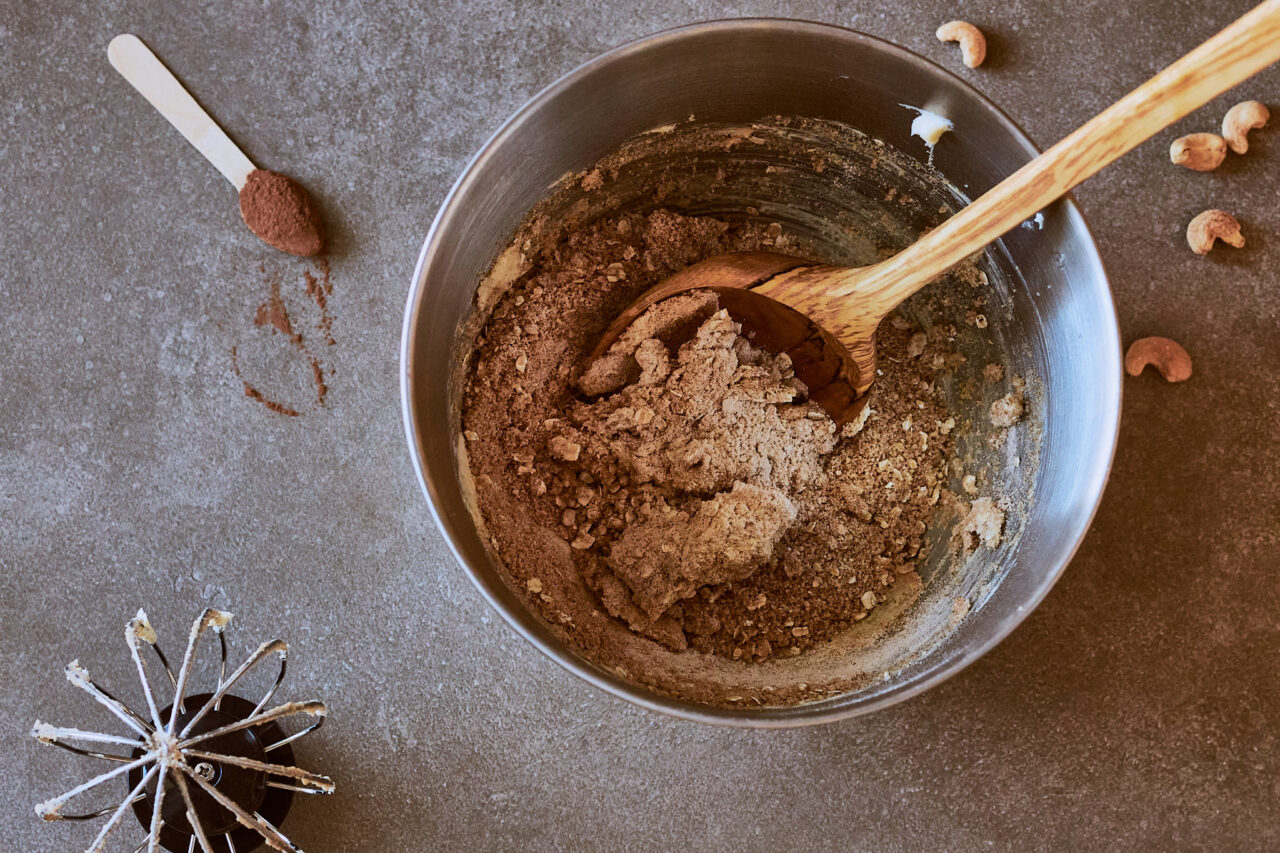
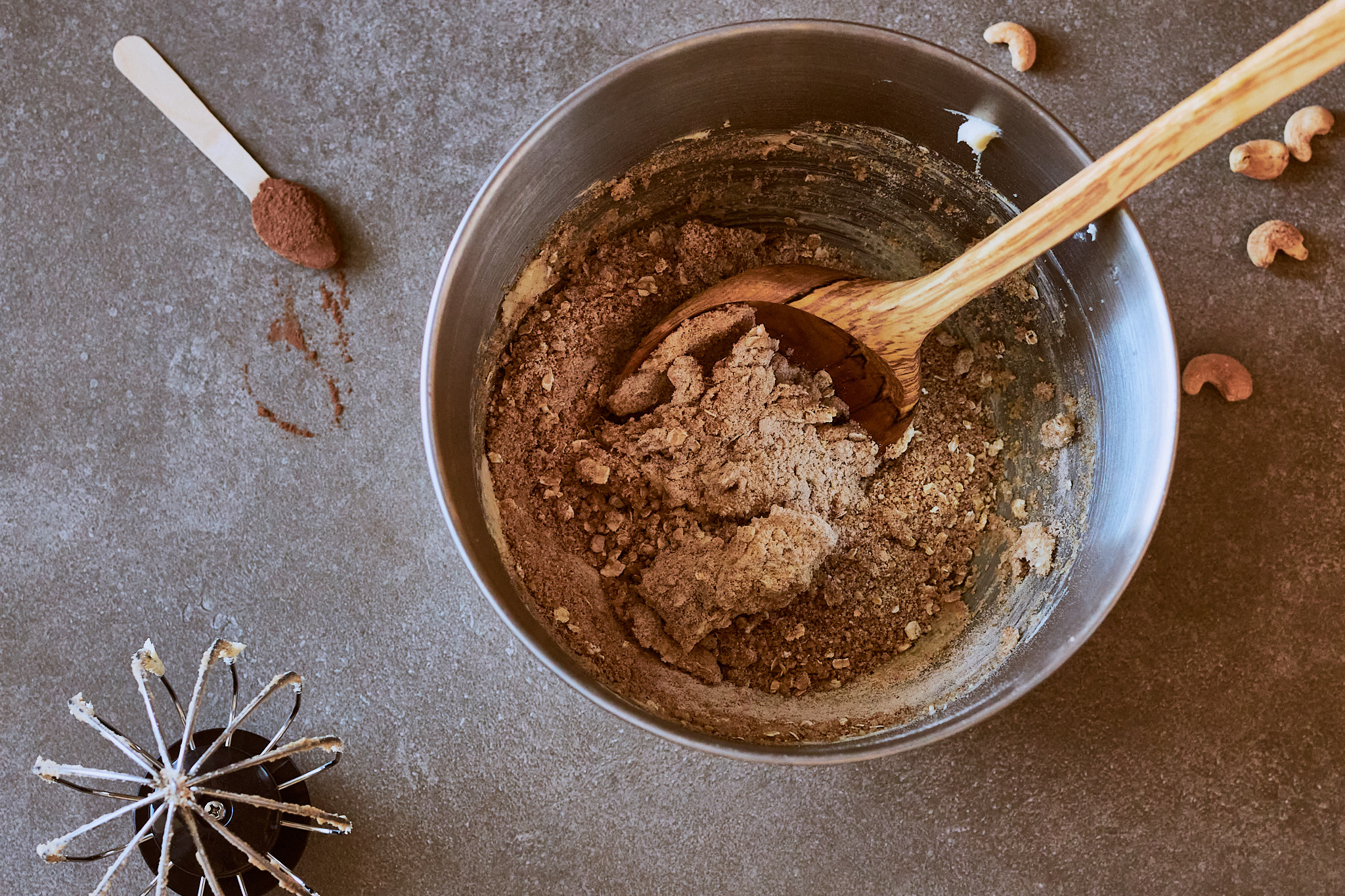
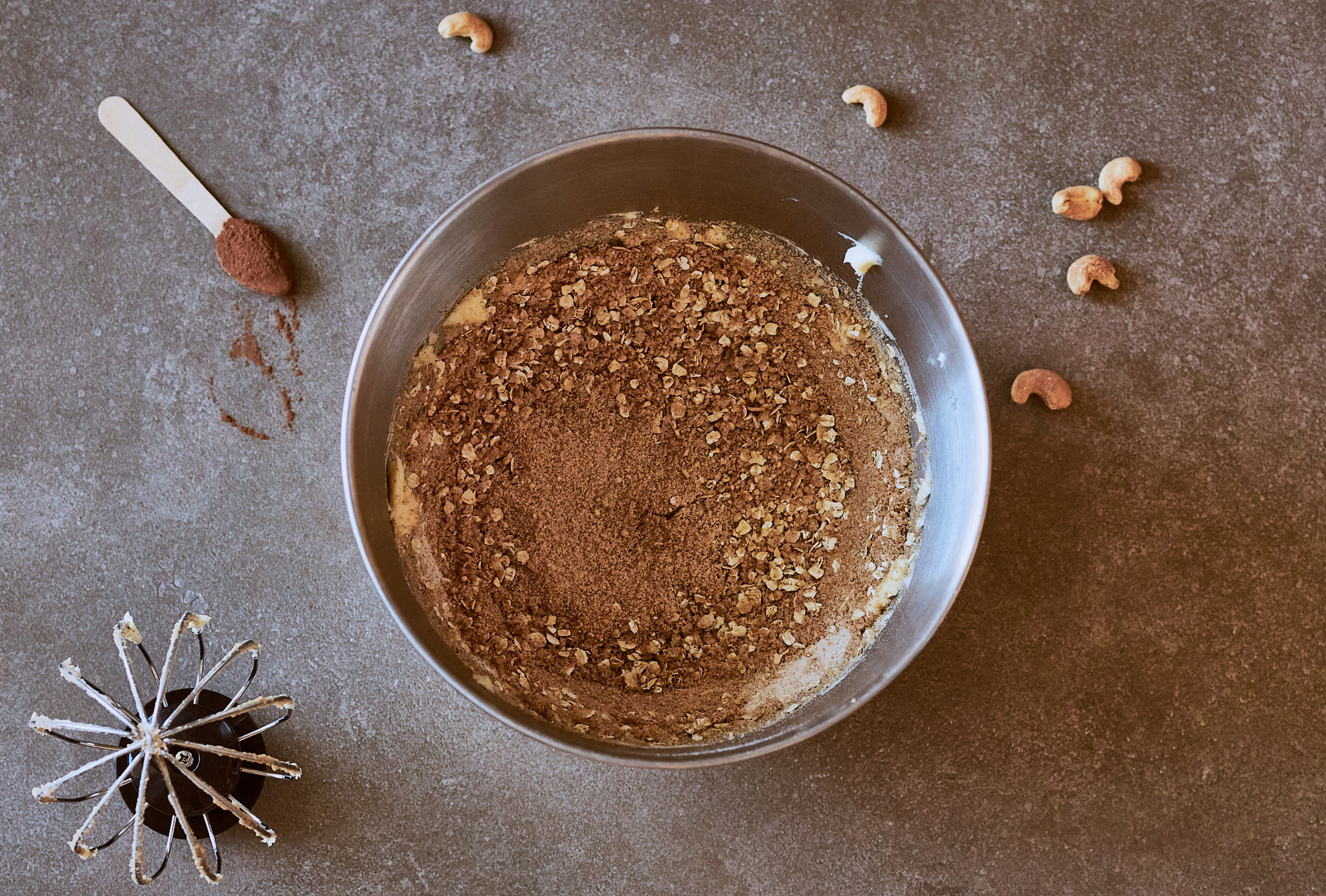
Start by turning your oven to 200 °C / 390°F. Cream the butter and sugar in a stand mixer, hand mixer, or by hand (with a whisk and muscle). Add the remaining ingredients and mix thoroughly (at this point, you can continue blending with a wooden spoon or keep mixing in the mixer on the lowest speed as soon as everything comes together evenly).
STEP 2: Shaping the dough.
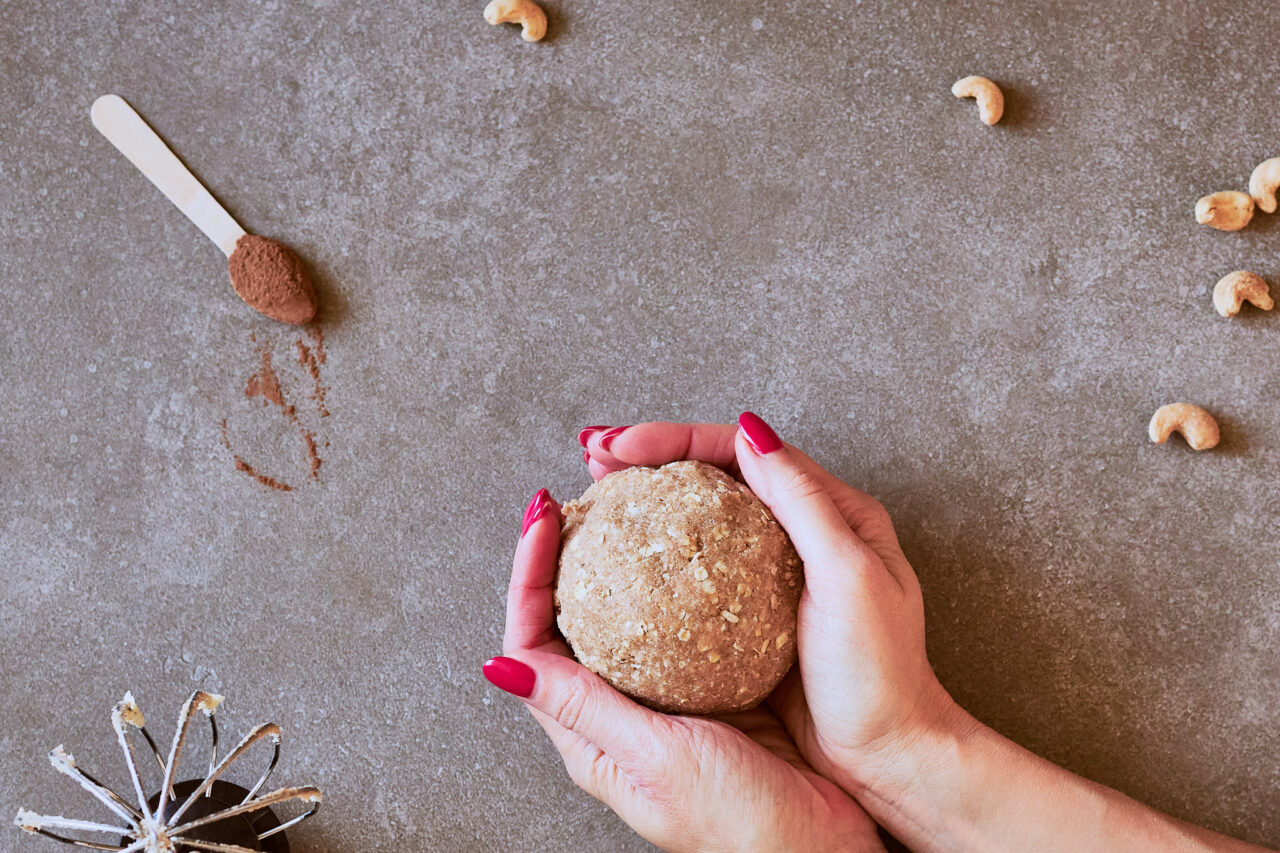
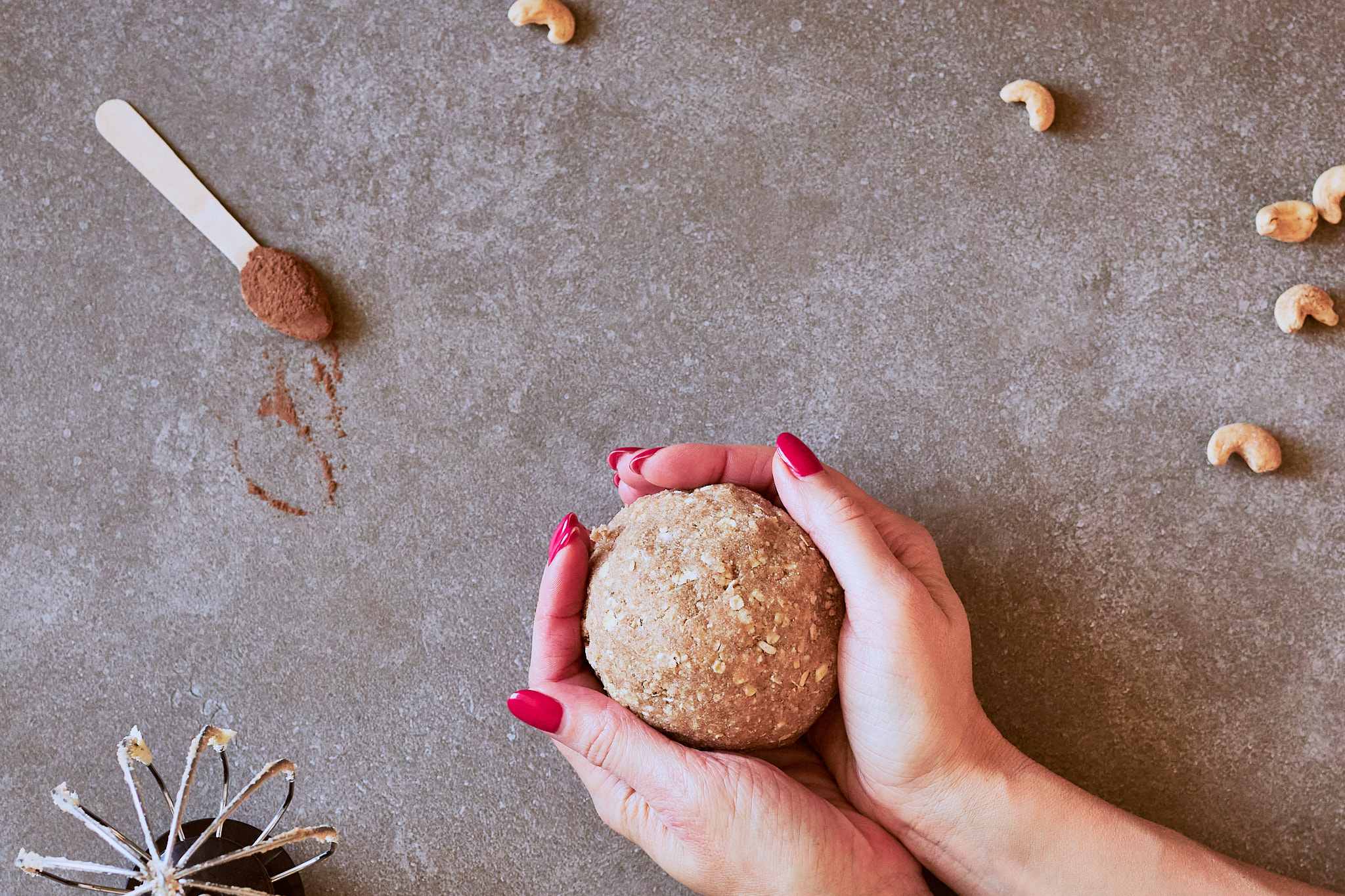
Grab the dough with your hands from the bowl or turn it onto your clean work surface. Scrape all the separate pieces and work the dough into a ball – it takes a bit of kneading, pushing, and smoothing.
STEP 3: Baking the cookies
Let the cookies cool just a bit, but you can bite into them pretty soon, if you can’t wait. Keep them in the fridge in a plastic or glass container, or why not a jar – I bet they’ll be fine for up to a week or more, but I was obviously not able to try that out… Hope the same will apply to you, and they will be gone before you realize it!
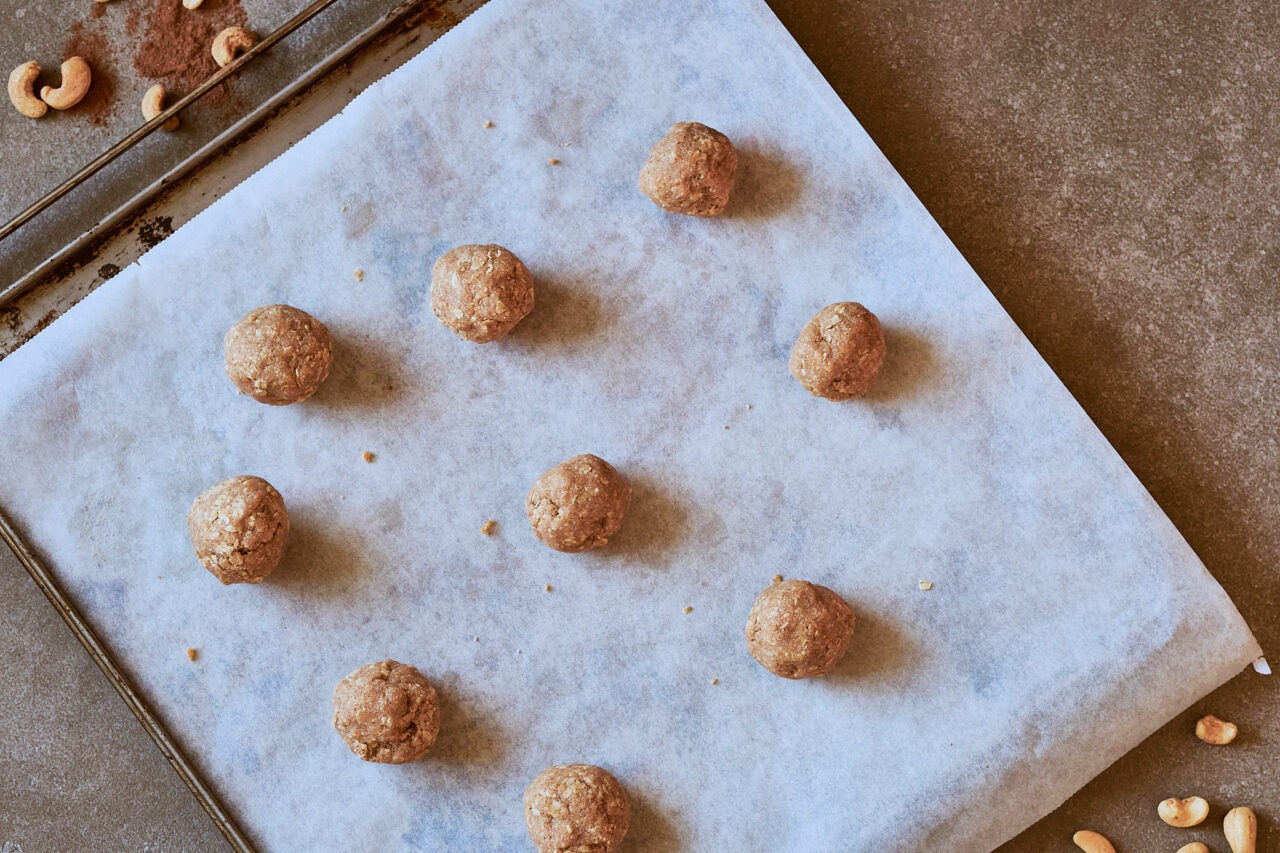
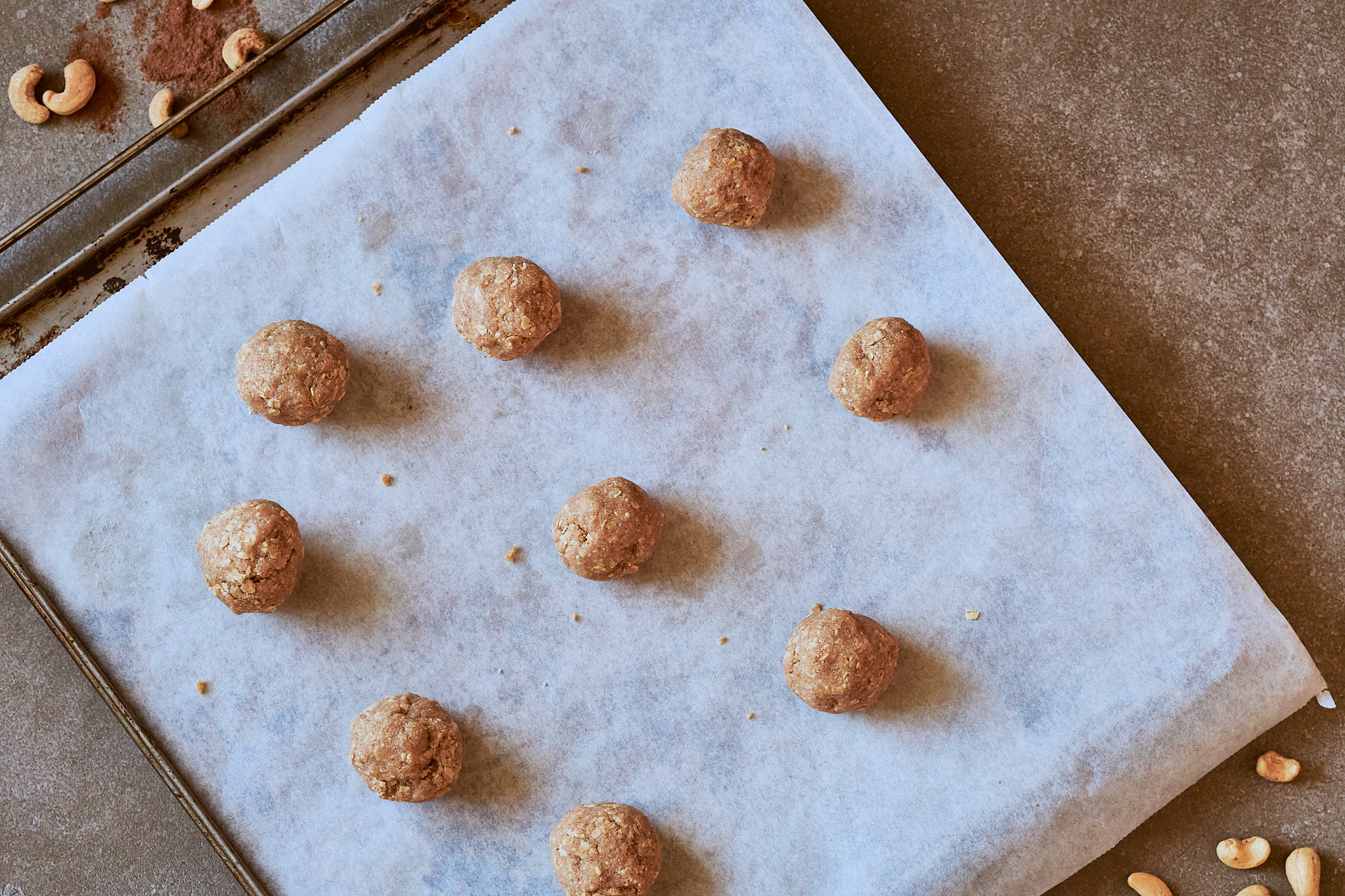
Divide the cookie dough ball into 8-10 smaller, more or less the same size balls (don’t overthink the size too much – they’re still non-pretentious rustic cookies, allowed to be a bit uneven). Place onto a prepared baking tray (covered with a baking paper) and bake in the center part of the oven for 10 minutes. The oven mode is not that important – it can be regular. If using convection (fan), be alert; you might want to take them out earlier to avoid burning.
How to serve these cookies
These cookies are at their absolute best when they are still slightly warm, and the butter and cinnamon aroma fills the kitchen. They are hearty, plump cookies, so one or two is usually enough to feel fully satisfied.
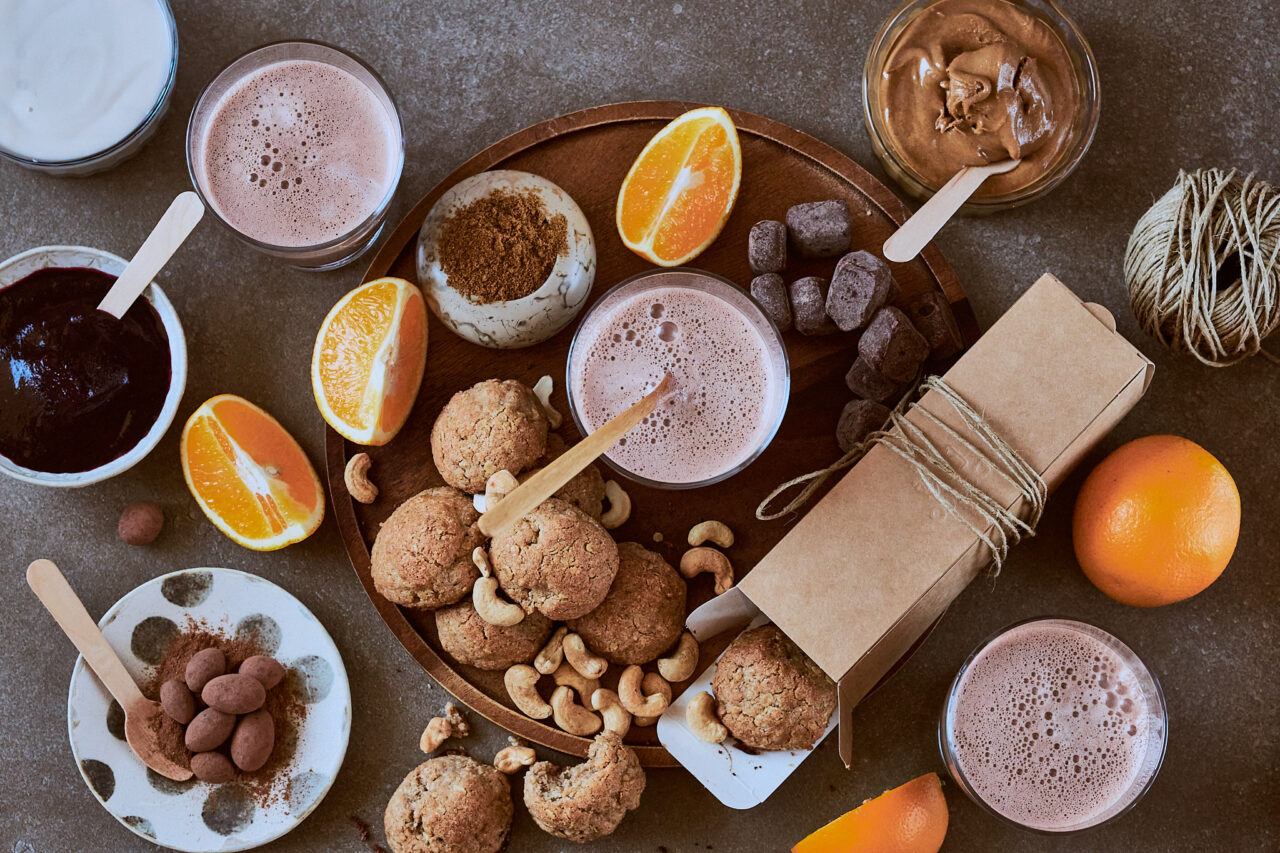
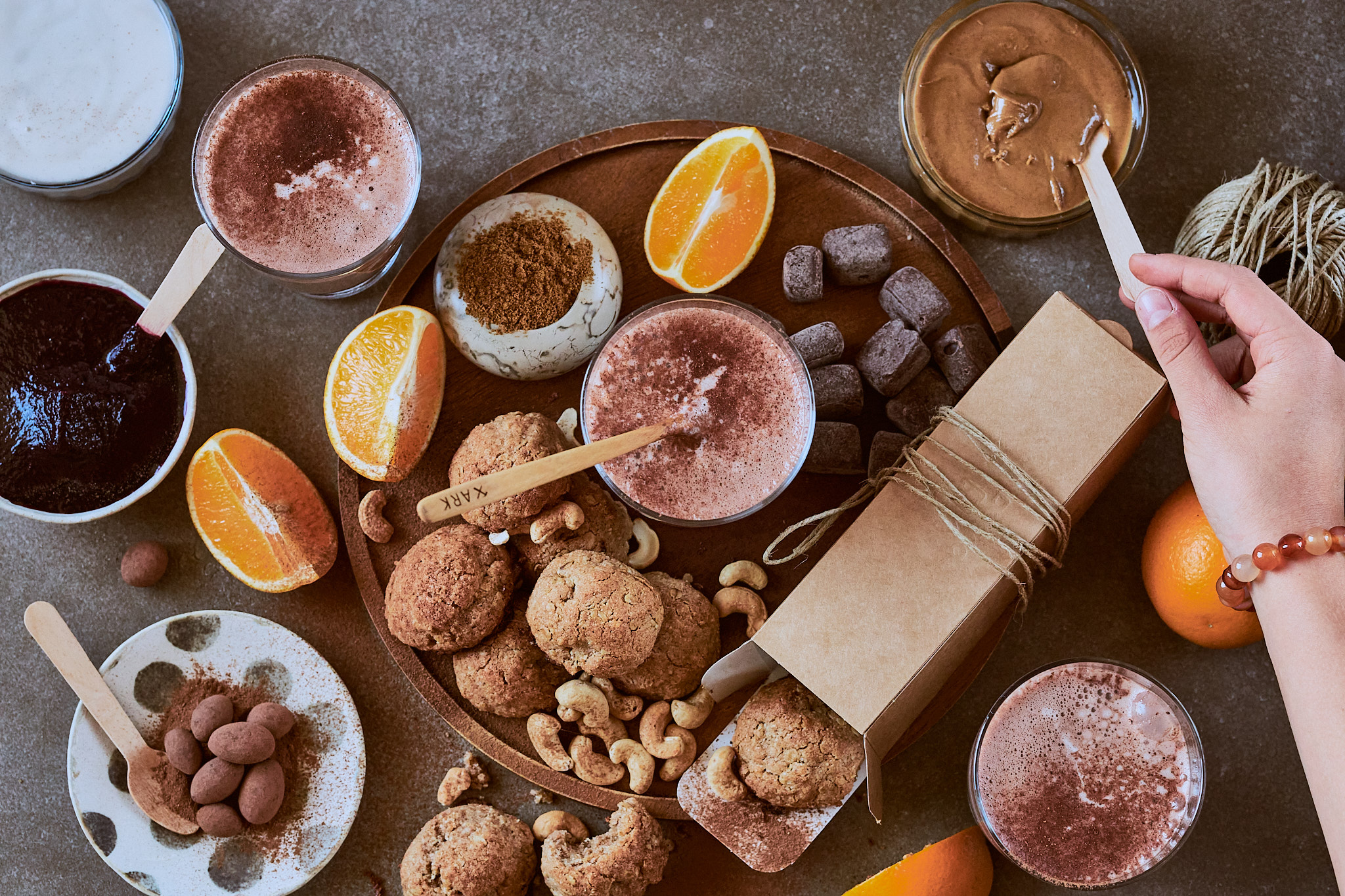
For a cozy everyday moment, serve them with a cup of milk, coffee, black tea, chai, or hot chocolate. If you want to turn the cookies into a small dessert, add a spoonful of whipped coconut cream, vanilla yogurt, or a little berry jam on the side. Then dip the cookies into those.
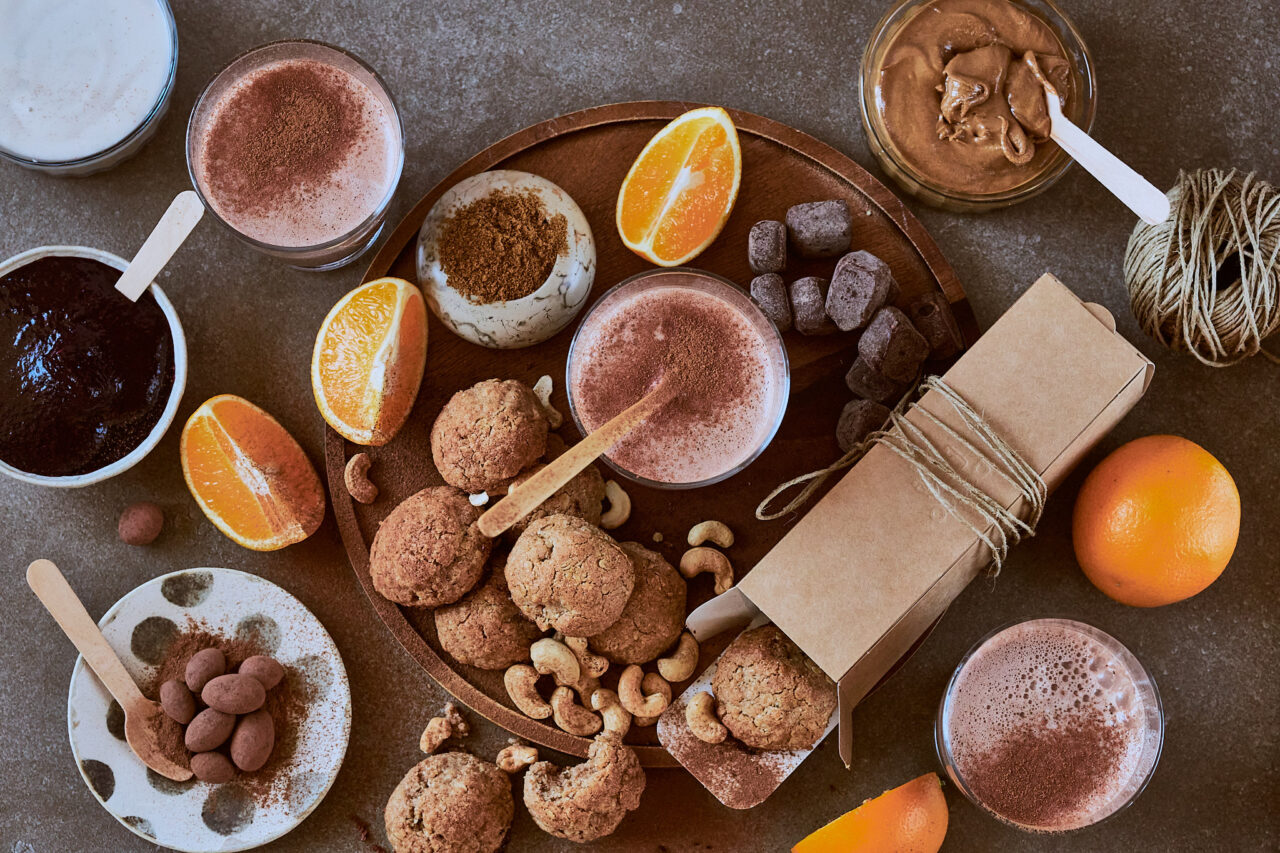
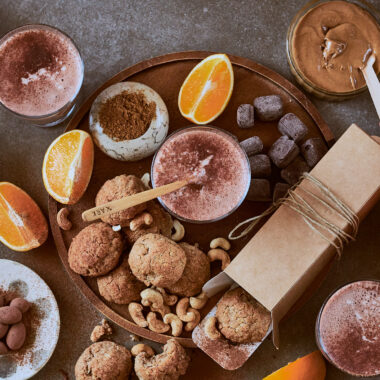
They also work beautifully on a casual dessert platter or weekend snack board. Arrange them with a few simple treats such as dark chocolate truffles, roasted nuts, fresh orange wedges, or a spoon of peanut butter for dipping. The warm cinnamon flavor pairs wonderfully with chocolate, citrus, and nutty flavors.
And if you feel like making them slightly more festive, a drizzle of melted dark chocolate over the cookies is never a bad idea.
And by the way, these cookies make a great gift for someone special!
What are the most common mistakes to avoid when making oatmeal cookies?
- Overbaking, which can lead to dryness;
- Overmixing the dough develops excess gluten, making cookies tough rather than crumbly and brittle.
- Incorrect sugar ratios or insufficient fat (butter) can also ruin texture and flavor, making them dry or too out of overall balance.
Baking Tip: Why These Cookies Work Without Eggs
Many cookie recipes rely on eggs to help bind the dough together and create structure during baking. But in oatmeal cookies like these, eggs are not always necessary.
The reason lies in the natural properties of oats and nuts.
Oats contain soluble fibers called beta-glucans, which absorb moisture and create a slightly gel-like texture when hydrated. This helps the dough hold together during baking. At the same time, the ground cashews contribute natural fats and proteins that support the structure of the cookies.
Butter also plays an important role. As the cookies bake, the butter melts and then firms up again as the cookies cool, helping them keep their shape.
The result is a cookie that is soft, plump, and stable, even without eggs or baking powder.
Food scientists have long noted the binding ability of oat fibers in baked goods and other foods.
So while eggs are common in many cookie recipes, this one proves that simple ingredients can sometimes do the job beautifully on their own.
What is especially wonderful about making these oatmeal cookies more often than once?
One of the charming things about this recipe is how ridiculously easy the ingredient list is to remember. Most of the dry ingredients are measured using the same simple amount, which makes the recipe almost effortless to memorize after making it once or twice.
It’s the kind of old-fashioned, practical baking logic that many traditional home recipes follow — simple measurements, simple ingredients, and delicious results.
Best Eggless Oatmeal Cookies (Crumbly, Plump & No Baking Powder)
These eggless oatmeal cookies are thick and chewy, made without eggs or baking powder.
This recipe was originally developed using deciliter measurements common in Northern European kitchens. For convenience, US cup measurements are included alongside the metric amounts.
10
cookies30
minutes255
kcal14
grams10
minutes56
grams30
grams40
minutesPrevent your screen from going dark
Ingredients
100 g / 7 tablespoons unsalted butter (about ½ cup minus 1 tbsp), softened (but not melted)
0,5 dl / 3 tablespoons granulated sugar
1 dl / ⅓ cup + 1 tablespoon all-purpose flour
1 dl / ⅓ cup + 1 tablespoon whole wheat flour
1 dl / ⅓ cup + 1 tablespoon Instant/quick oats
1 dl / ⅓ cup + 1 tablespoon cashews, roughly ground in a blender or food processor
1 teaspoon Ground cinnamon
0,5 teaspoon Salt (fine sea salt or regular salt)

Instructions
- Making the dough
- Turn the oven to 200 °C / 390°F. Cream the butter and sugar with a mixer
- Add the rest of the ingredients and mix thoroughly with a wooden spoon until everything has come together evenly.
- Shaping the dough.
- Turn the dough onto a clean work surface.
- Scrape all the separate pieces and work the dough into a ball.
- Baking the cookies
- Divide the cookie dough ball into 8-10 smaller balls. The easiest way to do it is by using a cookie scoop or a smaller ice cream scoop.
- Place onto a baking paper-covered sheet pan / thin baking tray and bake in the center part of the oven for 8 minutes. The oven mode is not that important – it can be regular.
- Let the cookies cool before enjoying them, or they might break.Loading gallery media…
- Storing the eggless oatmeal cookies with cinnamon and cashew
- Keep them in the fridge in a plastic or glass container, up to a week or more, but I was obviously not able to try that out… Hope the same will apply to you, and they will be gone before you realize it!
Notes
- Why are no eggs needed
The combination of oats, ground cashews, and butter creates enough structure to hold the cookies together without eggs. As the oats hydrate and bake, they naturally help bind the dough. - Texture tip
These cookies are meant to be plump and thick rather than flat. If the dough feels slightly crumbly while shaping, that’s perfectly normal — just press it together gently with your hands to form balls. - Cashew substitution
If you don’t have cashews, you can substitute them with almonds, walnuts, or hazelnuts. The cookies will still hold together well, but the flavor will vary slightly depending on the nut used. - Organic flour note
Organic whole-grain flours can add wonderful flavor depth to rustic baking like these cookies. However, for delicate pastries that require precise gluten structure, conventional all-purpose flour may behave more predictably. - Baking tip
Keep a close eye on the cookies toward the end of baking. Because they contain butter and nuts, they can brown quickly, especially if using a fan/convection oven.
Let me know if you made the recipe!
Tag @helenalauralesment on Instagram and hashtag it with #healthycomfortfood
Pin this recipe!
Follow @helenalauralesment on Pinterest
Share the recipe on FB!
Follow Helena-Laura on Facebook













)